The Turkish Mediterranean Coast is one of the most beautiful and diverse travel regions in Europe and the Middle East. Stretching from Antalya to Fethiye and continuing towards the Aegean coastline, this region combines breathtaking natural landscapes, ancient civilizations and world famous beaches.
Visitors come to the Turkish Mediterranean Coast for its crystal clear water, dramatic mountain scenery and historical sites that date back thousands of years. The region was once home to several ancient civilizations including the Lycians, Romans, Byzantines and Ottomans.
Today the coastline offers a unique combination of nature, culture and adventure travel.

Geography and Natural Landscape
The Mediterranean coast of Turkey is defined by the Taurus Mountains, which run parallel to the sea and create one of the most dramatic coastal landscapes in the Mediterranean basin.
Key natural features include:
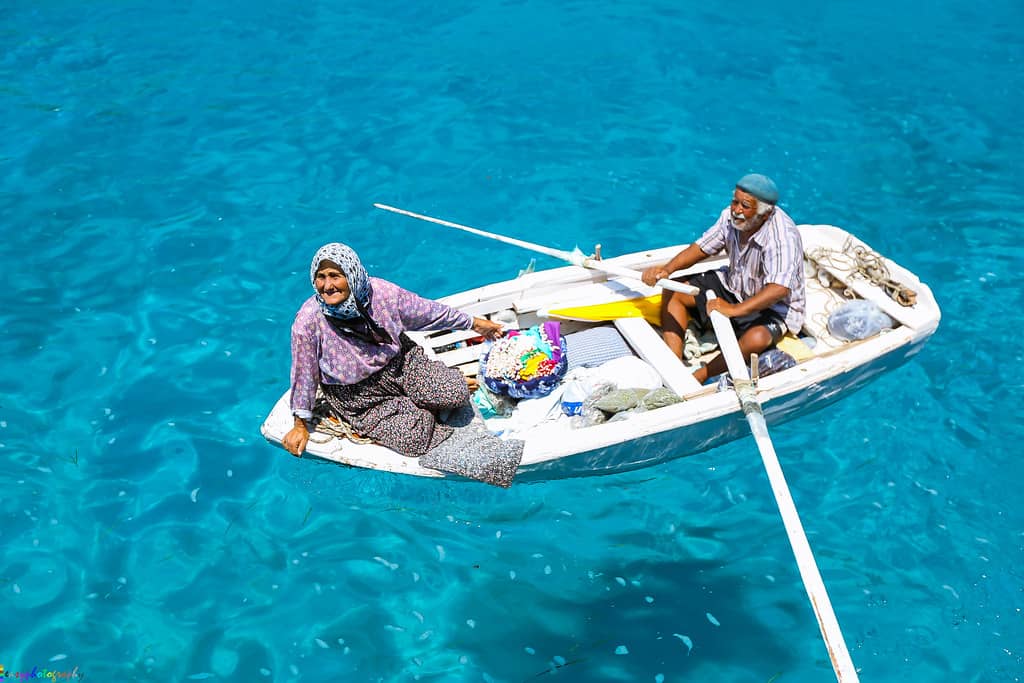
turquoise colored Mediterranean waters
hidden coves and small bays
limestone cliffs and coastal mountains
pine forests and national parks
Because of this geography, many coastal towns feel remote and untouched even though they are easily accessible from major cities.
Antalya: Gateway to the Turkish Mediterranean
Antalya is considered the capital of the Turkish Mediterranean Coast and one of the most visited destinations in the country.
The city combines modern resorts with a beautifully preserved historic center known as Kaleici.
Important attractions in and around Antalya include:
Antalya Old Town (Kaleici)
Duden Waterfalls
Konyaalti Beach
Lara Beach
Antalya is also the starting point for exploring several important ancient cities such as:
Perge
Aspendos
Side
Termessos
These archaeological sites reflect the long history of the Mediterranean trade routes.

Kas: A Charming Mediterranean Town
Kas is one of the most atmospheric towns on the Turkish Mediterranean Coast. Unlike large resort cities, Kas has preserved its small town character with narrow streets, boutique hotels and seaside restaurants.
The town is famous for:
scuba diving
boat tours
Lycian rock tombs
sunset viewpoints
Kas also serves as the main departure point for boat tours to the Kekova region.

Kekova and the Sunken City
Kekova is one of the most unique historical landscapes along the Turkish Mediterranean Coast. The region is famous for the Sunken City, an ancient Lycian settlement partially submerged by earthquakes.
Visitors explore the area by boat and see:
the underwater ruins of ancient houses
Lycian sarcophagi along the coastline
Simena Castle in Kalekoy village
The area also includes small villages such as Ucagiz, which still preserve a traditional Mediterranean lifestyle.

Fethiye and the Turquoise Coast
Fethiye marks the western edge of the Turkish Mediterranean Coast and is known for its spectacular natural scenery.
The region includes some of the most photographed beaches in Turkey such as:
Oludeniz Beach
Butterfly Valley
Kabak Bay
Fethiye is also famous for:
paragliding from Babadag Mountain
boat cruises along the coast
hiking the Lycian Way
The Lycian Way, one of the most famous long distance hiking routes in the world, begins near this region.

Ancient Lycian Cities
The Turkish Mediterranean Coast was once the heart of the Lycian civilization. Many ancient cities are scattered along the coastline and mountain valleys.
Important Lycian sites include:
Myra
Phaselis
Olympos
Patara
Tlos
These cities feature rock tombs, amphitheaters and ancient harbors that illustrate the maritime culture of the Lycian civilization.

Boat Tours and Coastal Exploration
One of the best ways to explore the Turkish Mediterranean Coast is by boat. Daily boat tours and multi day cruises allow visitors to access hidden beaches and remote bays that cannot be reached by road.
Popular experiences include:
Kekova boat tours
Suluada island tours
Blue cruise routes
private gulet charters
These tours often include swimming stops, snorkeling and visits to historical sites.

Best Time to Visit the Turkish Mediterranean Coast
The Mediterranean climate makes this region suitable for travel for most of the year.
Spring (April–June)
Ideal for sightseeing and hiking.
Summer (July–September)
Perfect for swimming and beach holidays.
Autumn (September–October)
Excellent weather with fewer crowds.

Final Thoughts
The Turkish Mediterranean Coast is one of the most rewarding travel destinations in the region. With its combination of ancient cities, crystal clear water, mountain landscapes and charming coastal towns, the region offers a unique travel experience that blends history, nature and relaxation.