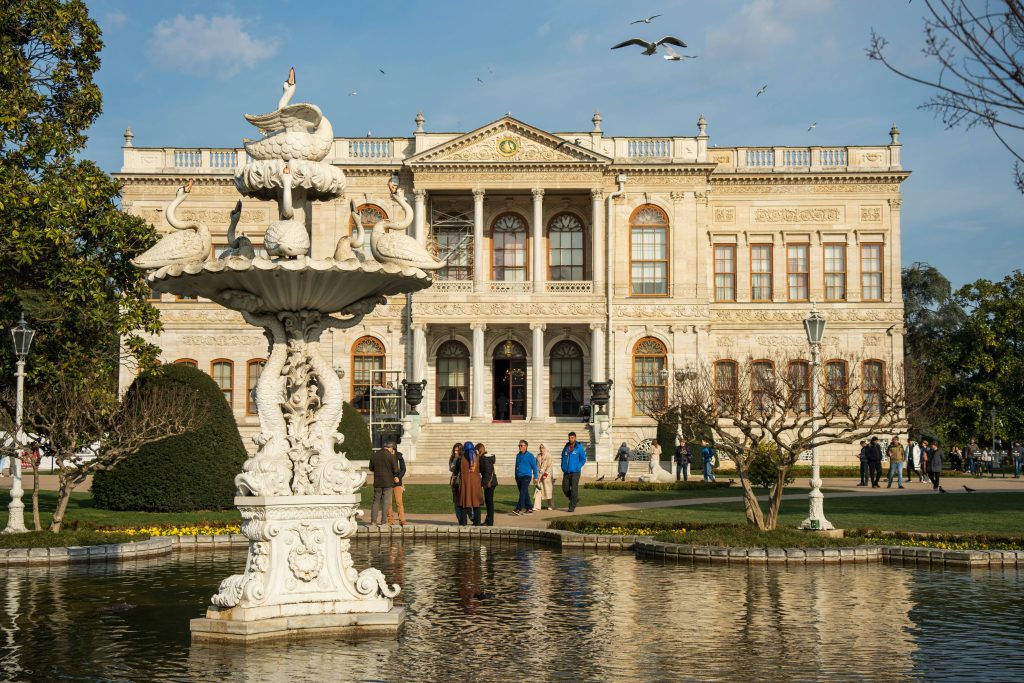
Dolmabahce Palace in Istanbul is the most luxurious residence of the Ottoman Empire. Unlike the traditional Topkapi Palace, it reflects a European style. For this reason, it shows the modernization period of the empire during the 19th century.
Historical Background
Sultan Abdulmecid I ordered the construction of the palace in 1843. At first, the Ottoman court followed classical palace traditions. However, the empire later adopted European architecture and lifestyle.
As a result, Dolmabahce became a symbol of westernization. Meanwhile, foreign ambassadors were received here instead of Topkapi Palace.
Later, Mustafa Kemal Ataturk stayed in the palace during his visits to Istanbul. Therefore, the building also holds significance for the Turkish Republic.
Architecture & Interior
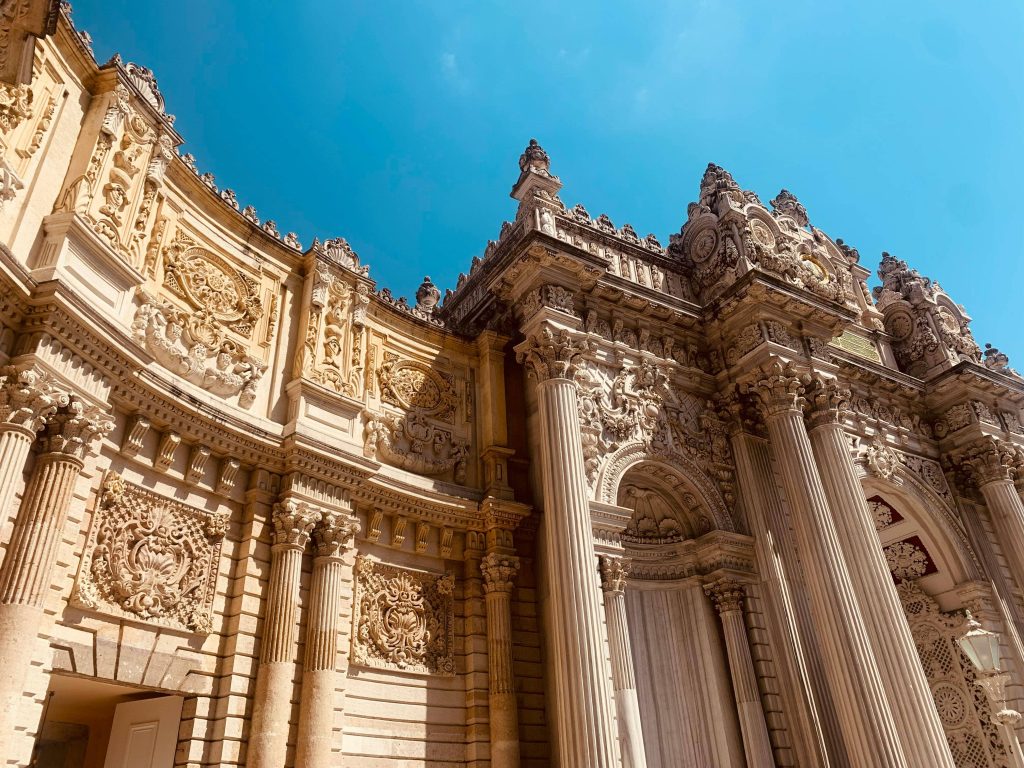
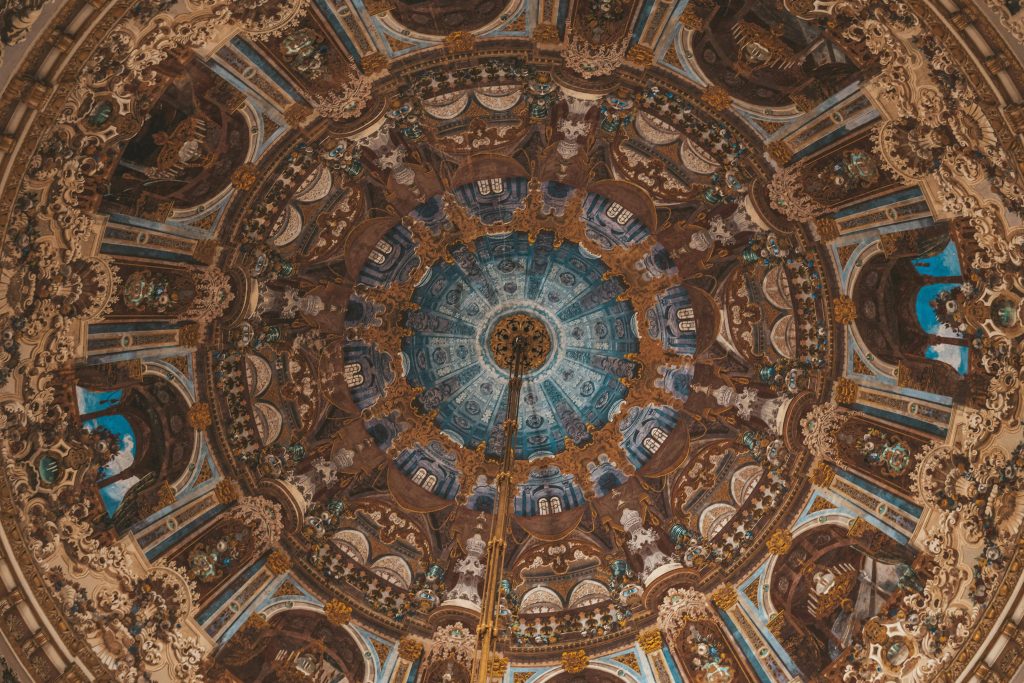
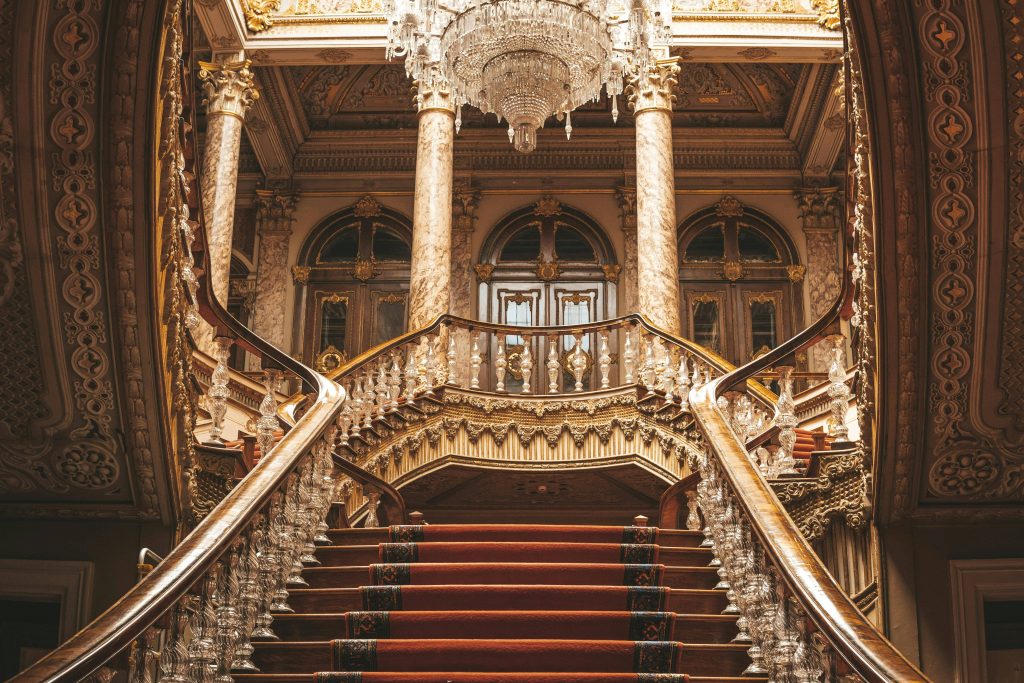
The palace combines Baroque, Rococo and Neoclassical styles. In addition, it contains one of the largest crystal chandeliers in the world.
Key highlights:
285 rooms and 46 halls
Crystal staircase
Ceremonial hall
Sea-facing imperial gate
Consequently, visitors experience a completely different atmosphere from earlier Ottoman palaces.
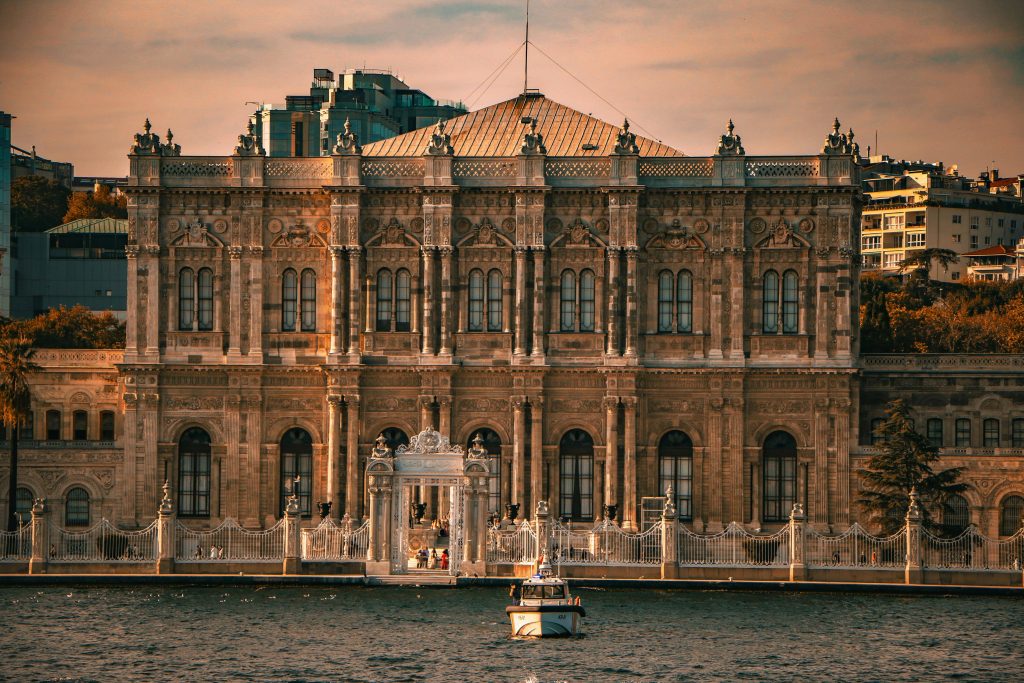
Location on the Bosphorus
Dolmabahce stands directly on the Bosphorus shore. Therefore, most Bosphorus cruises pass in front of the palace. From the water, its long marble façade becomes especially impressive.
For this reason, many visitors first notice the palace during a cruise and later choose to visit inside.
Visiting Information
Location: Besiktas district Duration: 1 – 2 hours Best Time: Morning visit
Tip: Combine with Bosphorus cruise for the full experience.
Why Dolmabahce Palace Matters
Dolmabahce represents the final period of the Ottoman Empire. Instead of traditional imperial privacy, it shows openness to Europe. Therefore, it helps visitors understand the transition from empire to modern Turkey.