Introduction
Hagia Sophia in Istanbul is one of the most important monuments in human history. Built as a church, transformed into a mosque, converted into a museum, and reopened as a mosque again, it represents the meeting point of civilizations, religions, and empires. Today, it stands in the heart of the Old City as the symbol of Istanbul itself.
Historical Background
Hagia Sophia was commissioned in 532 AD by Byzantine Emperor Justinian I after earlier churches on the same site were destroyed. When it was completed in 537 AD, it became the largest cathedral in the world — a title it held for nearly 1,000 years.
When the Ottomans conquered Constantinople in 1453, Sultan Mehmed II converted the church into a mosque. Instead of destroying Christian art, the Ottomans preserved the mosaics and added Islamic calligraphy, mihrab, minbar and minarets. This created a rare architectural harmony where Christian and Islamic elements coexist in one structure.
In 1935 it became a museum, and in 2020 it reopened as a mosque while remaining open to visitors.
Architecture & Design

The most impressive feature is the massive central dome, appearing to float in the air. This optical illusion comes from hidden support arches and light entering through 40 windows at the dome base.
Important architectural elements:
Massive central dome (55.6 m height)
Marble walls from Anatolia, Egypt and Greece
The Imperial Door used by emperors
Upper galleries reserved for royalty
Acoustic design allowing whispers to travel across the hall
Even modern engineers still study the structure because it survived major earthquakes for 1,500 years.
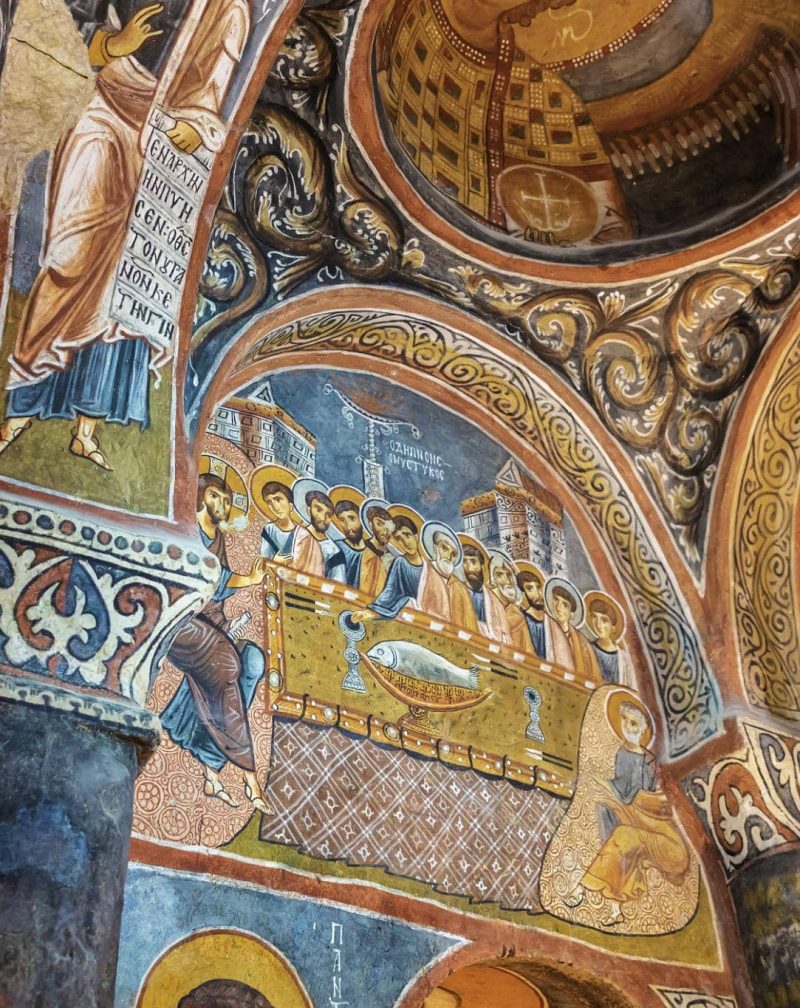
Mosaics & Religious Art
Inside Hagia Sophia, Christian and Islamic art exists together:
Christian Works:
Virgin Mary and Child in the apse
Christ Pantocrator mosaics
The Deesis composition
Islamic Additions:
Giant calligraphy panels with Allah and Muhammad
Mihrab pointing toward Mecca
Ottoman chandeliers and carpets
This coexistence is what makes Hagia Sophia unique — no other building in the world combines two major religions so visibly
Visiting Information
Location: Sultanahmet Square, Old City
Entrance: Free (upper gallery ticket required for tourists depending on current regulation)
Dress Code: Modest clothing required
Best Time: Early morning or late afternoon
Average Visit Duration: 45 – 75 minutes
Tip: Combine your visit with the nearby Blue Mosque, Hippodrome and Basilica Cistern — they are all within 3 minutes walking distance.
Why Hagia Sophia Matters
Hagia Sophia is not only an architectural masterpiece but also a timeline of humanity:
Roman engineering
Byzantine Christianity
Ottoman Islam
Modern Republic heritage
Standing inside, you are literally surrounded by 15 centuries of history layered on top of each other.
Conclusion
Hagia Sophia in Istanbul is more than a monument — it is the story of civilization itself. Whether you visit for religion, architecture, or history, it is impossible to understand Istanbul without stepping beneath its dome.